
Meet Expert Speaker Irina Antonijevic
Ahead of the 5th ALS Drug Development Summit, we sat down with Irina Antonijevic, Chief Medical Officer at Trace Neuroscience, for a deep dive into the critical scientific questions driving the next era of ALS and FTD research.
Irina’s insights underscore why 2026 is a pivotal year for ALS research — with emerging genetic targets, adaptive trial strategies, and a resurgence of investment and collaboration across the sector.
Dive into insights below and be sure to secure your pass and join Irina this June in Boston.

Which current developments are most exciting, firstly for yourselves, and secondly from your peers?
Genetic research into ALS is identifying new genetic variants that may play a role for ALS disease risk and disease progression. UNC13A is one such genetic modifier target; certain variants, named risk variants, that are associated with UNC13A mis-splicing and loss of UNC13A protein, have been associated with shorter survival in ALS and has become an attractive drug target. Drug targets validated by human genetics and a biological plausible mechanism seem poised to beneficially impact ALS, such as demonstrated for tofersen.
ALS and FTD share overlapping biology. How do you see this overlap influencing future therapeutic strategies or patient selection in clinical trials?
With genetic targets that contribute to both ALS and FTD, I hope that we can develop drugs for both diseases in parallel and more quickly and eventually treat presymptomatic carriers that are at risk, e.g., carriers of C9orf72 repeat expansions, rather than waiting for disease manifestation.
How can we develop drugs for presymptomatic individuals at risk for ALS and FTD?
Research is ongoing to identify early signals, such as biomarker changes, in carriers of the C9orf72 repeat expansion before they manifest clinical symptoms of ALS or FTD. Such research is critical to help identify individuals that will develop the disease symptoms and could be treated with a suitable therapeutic with the goal to prevent the disease (i.e., secondary prevention). In order to make this a reality we need robust biomarker signals and regulatory flexibility to accept biomarker changes or earliest clinical signs as approval outcomes for a new therapeutics.
As you prepare for early clinical testing, what general lessons from nonclinical development have been most influential in shaping your approach?
Nonclinical data are important to determine the safety margins but also to understand the dose-exposure relationship and the exposure needed for a probable clinical effect. Such nonclinical data inform the initial human dose selection and help reduce the number of dose levels in clinical trials that are likely ineffective. The more predictive nonclinical data are for clinical dose-exposure relationship, the more efficient and informative the first clinical trial will be.
Looking ahead, what do you view as the biggest opportunities to accelerate progress in ALS drug development - whether through new biomarkers, smarter trial design, or advances in underlying biology?
ALS drug development has benefited from trial platforms that use shared placebo groups, such as the HEALEY platform. Augmenting the placebo group, which is still important for robust clinical trials, with well-matched external controls will reduce the number of trial participants receiving placebo, and thus can speed up recruitment and trial completion. However, such external control groups should be assessed regularly, using clinical and biomarker assessments, and be contemporaneous to the clinical trial. Further, biomarkers that are predictive of future clinical benefit are critical to support smaller proof-of-concept trials and eventually accelerated approval. Today, the ALS community has NF-L which has set a precedent by the tofersen development. Additional biomarkers to capture diverse therapeutic mechanisms would be useful.
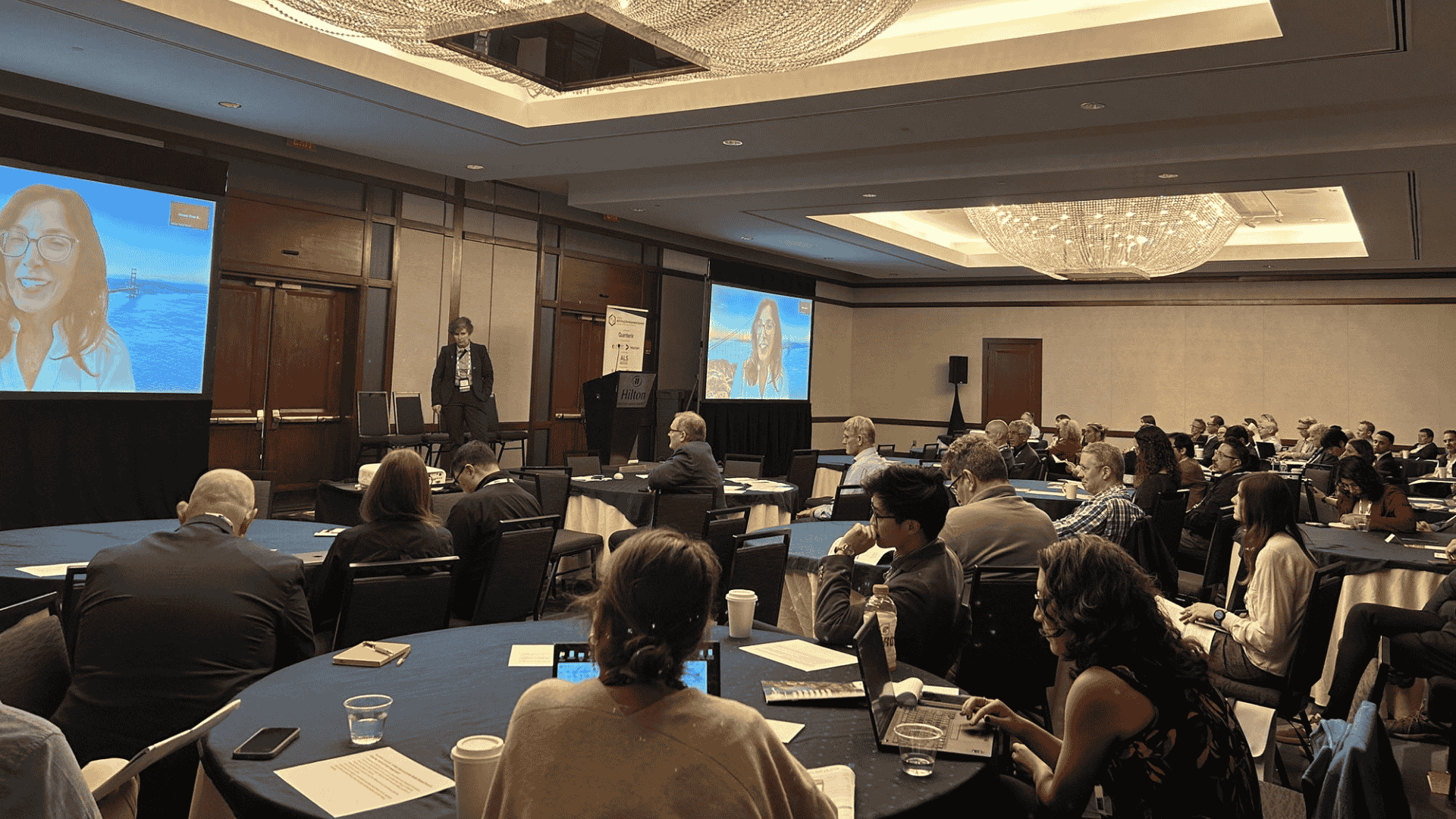
Explore the Agenda
Dive into 2 tracks, spanning discovery – clinical development and access, 3 preconference day workshops and 30+ expert speakers shaping the future of ALS & FTD
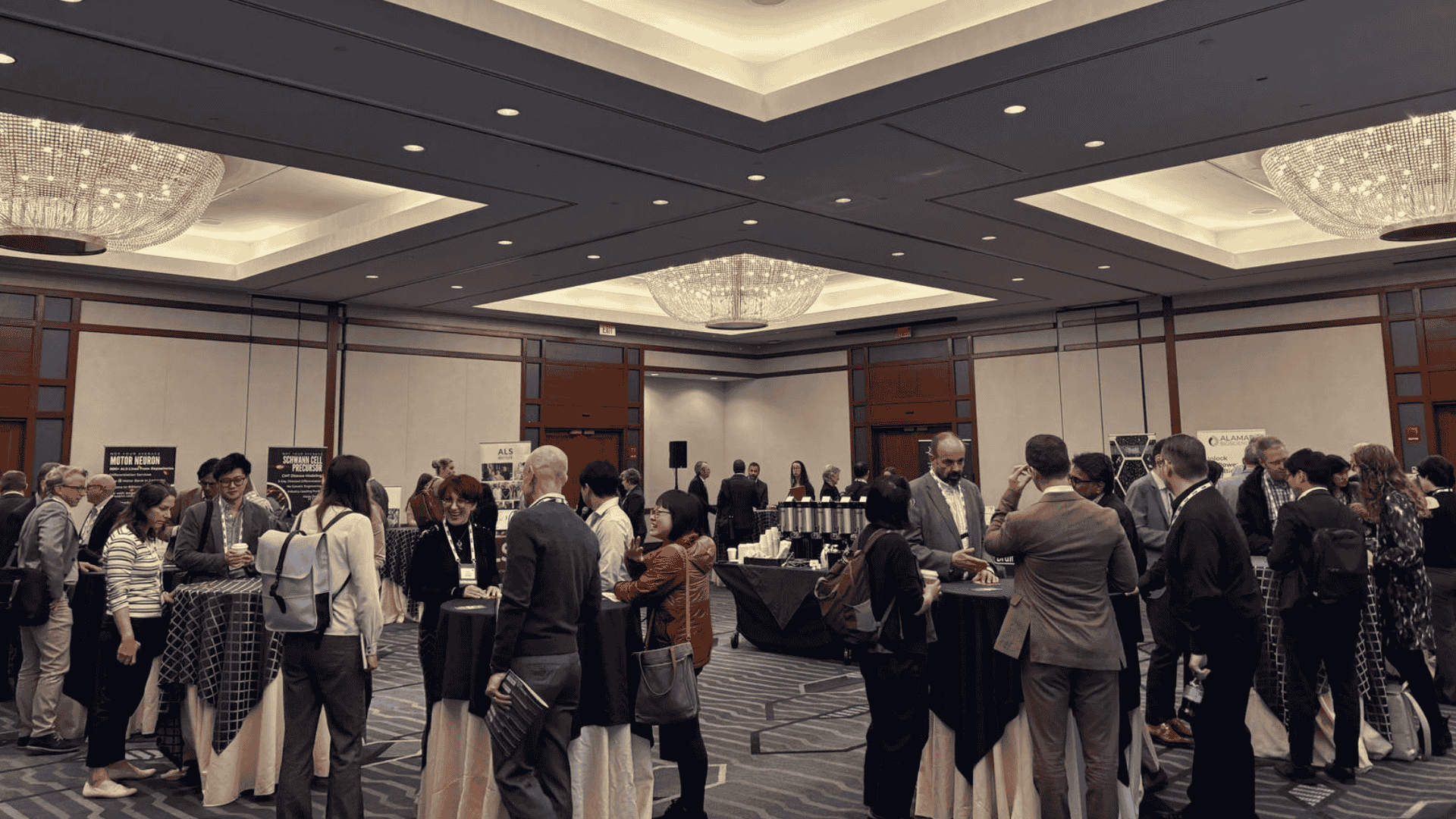
Partner With Us
Showcase your solutions, connect with decision makers, and position your company as the go-to provider in neuromuscular and neurodegenerative research
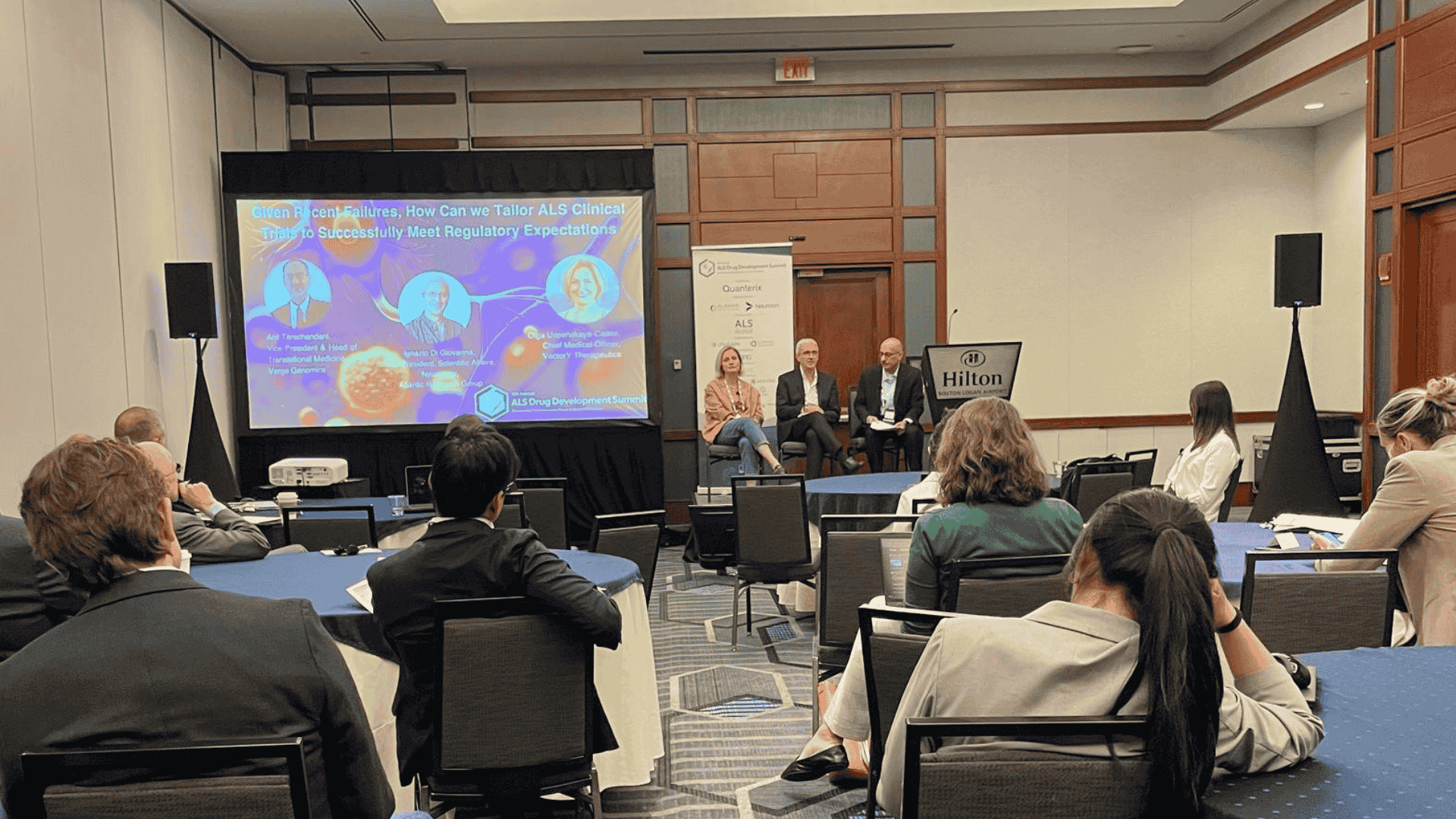
Join Biopharma Experts
Network with pharma, biotech, diagnostics, academia, consortia, and patient voices driving real-world adoption